When designing drinkware for a market as diverse and vibrant as South America, understanding the cultural nuances is essential for ensuring that the products resonate with local consumers. South American culture is a blend of indigenous, European, African, and even Asian influences, making it a unique and fascinating region for design. For manufacturers in the ceramic drinkware industry, understanding these cultural preferences can help tap into the rich diversity of this market, especially as demand for high-quality ceramic products grows.
This article explores how cultural differences influence drinkware design in South America and how manufacturers can adapt their designs to meet the needs and tastes of various South American countries. It also delves into the regional preferences for ceramic materials, shapes, and decoration, offering valuable insights for ceramic manufacturers like EKA that serve global customers.
Cultural Influences Across South America
South America consists of 12 countries, each with its own cultural identity. While some countries share common influences, others have distinct traditions that impact the way people consume beverages and the types of drinkware they prefer. Below, we explore some of the key cultural elements that influence drinkware design in South America:
1. The Role of Coffee and Mate in South American Culture
In countries like Brazil, Argentina, and Uruguay, coffee and mate (a traditional herbal tea) are more than just beverages—they are part of the social fabric. The way these drinks are consumed directly influences the design of drinkware.
- Brazil: Coffee is a staple in Brazilian culture, with coffee served in small, elegant cups often made from ceramic or porcelain. The Brazilian preference for strong, espresso-style coffee is reflected in the small cup sizes and sleek, modern designs of drinkware.
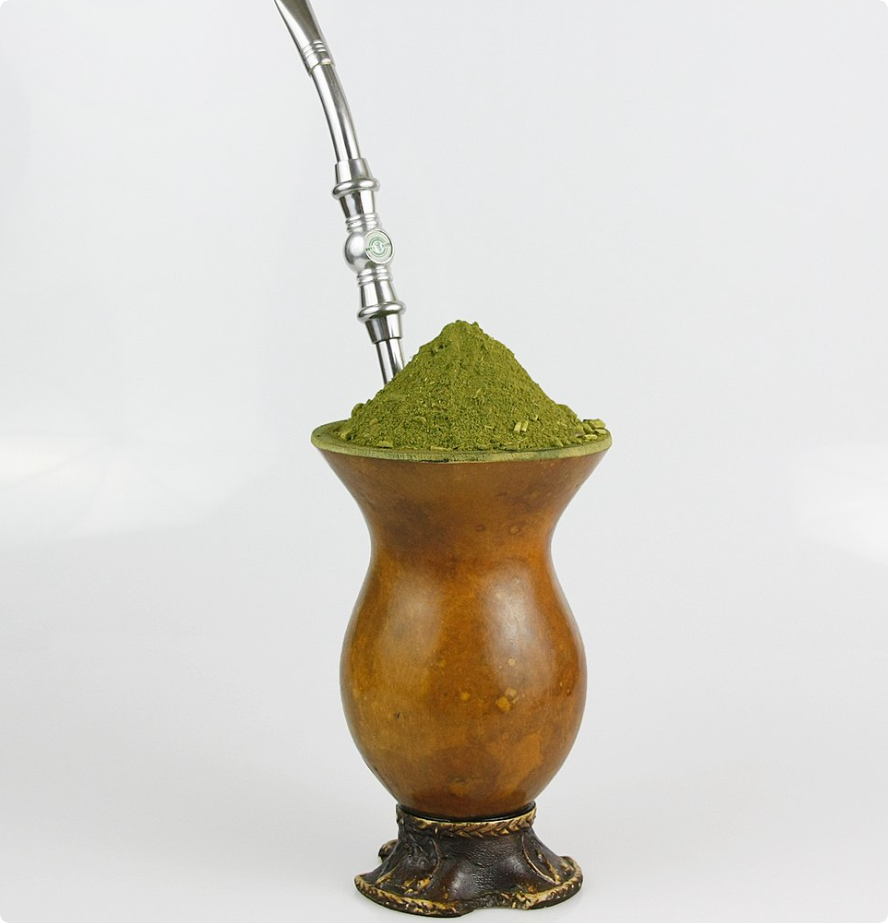
- Argentina and Uruguay: Mate consumption is an integral part of daily life. This traditional drink is usually enjoyed in a gourd (known as a “mate”) and drunk through a metal straw called a “bombilla.” Ceramic drinkware for mate is typically handmade and highly decorative, with intricate designs that reflect the region’s artisanal craftsmanship.

In both cases, the vessel used is not just a functional object—it is a representation of the culture and the social ritual surrounding the drink. This has a profound impact on the design of drinkware, especially in the choice of materials and the shaping of the cups, mugs, or gourds.
2. Influence of Indigenous and European Traditions
South American drinkware designs are also shaped by the blending of indigenous and European cultures. Indigenous designs often feature earthy tones, natural materials, and symbolic motifs, while European influence, especially from Spain and Portugal, has introduced more refined, ornate styles.
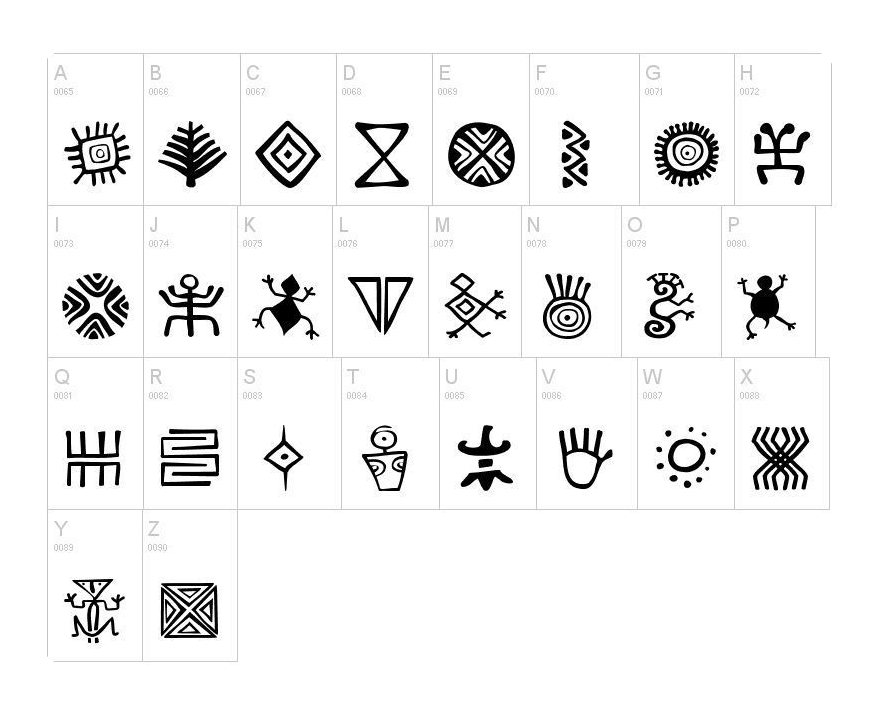
- Andean Countries: In countries like Peru and Bolivia, indigenous influences are prominent, with drinkware designs incorporating traditional symbols and geometric patterns. Pottery made by indigenous artisans is often used for ceremonial purposes and may have functional or spiritual significance.
- Southern Cone: In countries like Chile and Argentina, European-style porcelain drinkware with intricate designs is popular for formal settings, while more rustic, handmade ceramics are used for casual, everyday drinking.
This blending of indigenous and European styles can be seen in the use of colors, shapes, and decorative motifs in drinkware. Ceramics from the Andean region, for instance, may feature motifs like the sun, mountains, or animals, which are important symbols in indigenous culture. In contrast, drinkware from countries with a stronger European heritage might feature more intricate floral patterns or smooth, polished surfaces.
3. The Importance of Festivities and Social Gatherings
South America is known for its vibrant festivals and social gatherings, where food and drink play a central role. Whether it’s a family gathering in Brazil or a traditional celebration in Colombia, drinkware is designed to complement these social occasions.


- Brazilian Carnival: During the Carnival, drinkware is often brightly colored and adorned with festive motifs. Mugs and cups used during these celebrations tend to have bold, eye-catching designs that reflect the joyful and energetic atmosphere of the event.
- Colombian Festivals: In Colombia, drinkware is often designed to reflect local pride, with items showcasing regional flags or symbols. The designs are colorful, lively, and often feature local flora and fauna.
- Peruvian Festivals: Peru has numerous festivals throughout the year, each with its own traditions and drinks. In these festivals, drinkware often features bold colors and cultural patterns, with a particular emphasis on artisan designs that reflect the region’s rich history.
During festivals, drinkware is not only functional but also decorative, serving as a symbol of the occasion. This cultural significance influences the design choices, leading to the use of vibrant colors, local patterns, and even personalization in some cases.
4. Environmental Sustainability and Craftsmanship
As awareness of environmental issues grows, South American consumers are increasingly seeking sustainable products. This trend is also evident in the drinkware market, where there is a growing demand for handmade, eco-friendly ceramics.
- Sustainable Materials: Many South American countries, such as Chile and Ecuador, have a long tradition of using natural, locally sourced materials for pottery. This trend has carried over into modern drinkware design, with consumers favoring items made from clay, recycled materials, and other sustainable options.
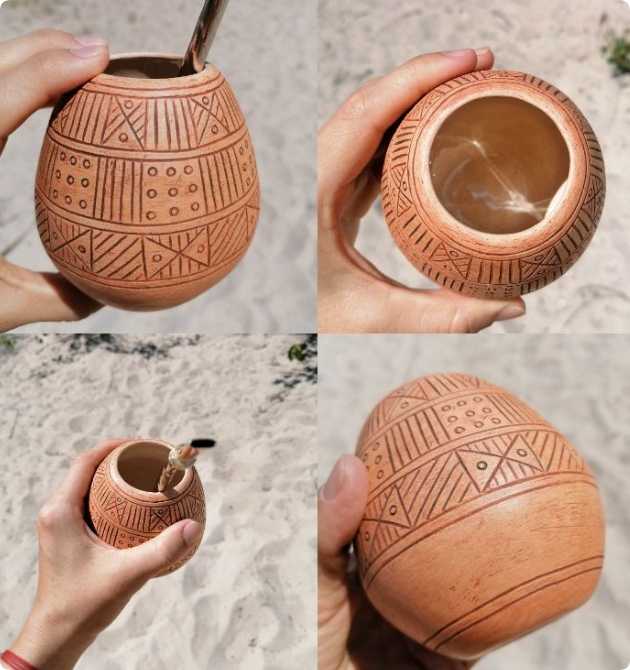
- Handcrafted Design: Handmade ceramics, which showcase artisanal craftsmanship, are highly prized. These items often feature unique designs that celebrate local culture, making them ideal for both functional and decorative use.
In recent years, there has been a noticeable shift toward sustainability, with many consumers opting for ceramic drinkware that is not only beautiful but also environmentally responsible. This has led to an increased demand for eco-friendly packaging, local production, and the use of organic materials in drinkware manufacturing.
Understanding the Design Preferences in Different South American Markets
Different South American countries have their own unique preferences for drinkware design. To illustrate these preferences, let’s take a closer look at a comparison of drinkware designs in key South American markets. The table below highlights the preferred materials, shapes, and decorative styles in countries like Brazil, Argentina, and Colombia.
| Country | Preferred Material | Popular Drinkware Shape | Design Style | Cultural Influence |
|---|---|---|---|---|
| Brazil | Ceramic, Porcelain | Small, sleek cups | Modern, minimalistic, with subtle patterns | European influence, coffee culture |
| Argentina | Ceramic, Wood, Metal (for mate) | Tall, cylindrical (for mate) | Handcrafted, decorative, with intricate designs | Mate culture, European and indigenous blend |
| Colombia | Ceramic, Clay | Mugs, tumblers | Bright colors, regional symbols | Festive culture, indigenous influence |
| Peru | Ceramic, Clay | Bowls, small cups | Geometric, symbolic patterns | Indigenous heritage, artisanal craftsmanship |
| Chile | Ceramic, Porcelain | Elegant cups, tumblers | Fine porcelain with floral or geometric patterns | European influence, refined elegance |
Conclusion
The influence of cultural differences on drinkware design in South America cannot be overstated. From the coffee culture of Brazil to the ceremonial mate drinking traditions of Argentina and Uruguay, each country’s cultural heritage plays a significant role in shaping the types of drinkware that are preferred by local consumers. Manufacturers looking to tap into this diverse market must consider these cultural preferences when designing their products.
As demand for high-quality ceramic products continues to grow in South America, understanding the local culture and incorporating these insights into drinkware design will allow manufacturers like EKA to create products that resonate with South American consumers. By blending craftsmanship, sustainability, and cultural significance, manufacturers can ensure their drinkware products not only meet market demand but also stand out in this competitive industry.
This article explores the cultural underpinnings of drinkware design in South America, helping manufacturers understand how cultural diversity shapes consumer preferences. By considering the influence of local traditions and trends, manufacturers can create drinkware that appeals to a broad and discerning audience across the continent.