Stoneware rice bowls with tenmoku glaze are not just vessels for food; they represent heritage, craftsmanship, and cultural depth. In Asian cuisine markets, they are adored for their rustic aesthetics, durability, and authentic dining appeal. From sushi restaurants in Tokyo to modern Korean barbecue houses in Seoul, these bowls have become a staple for both professional kitchens and households worldwide.
The Timeless Beauty of Tenmoku Glaze
A Brief Origin
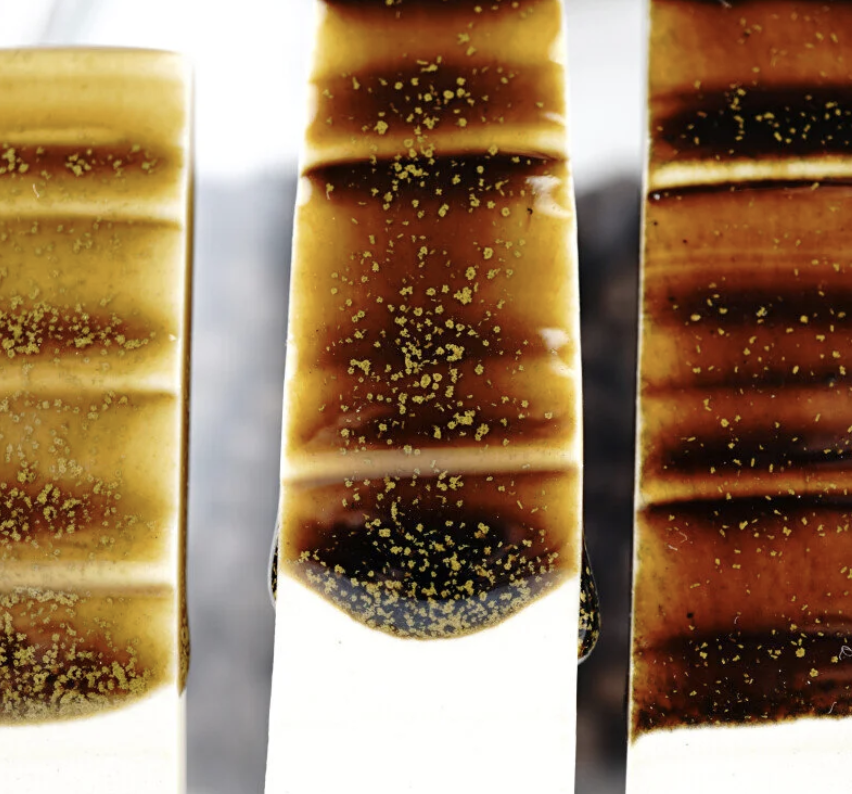
The tenmoku glaze dates back to the Song Dynasty in China and later flourished in Japan. Characterized by deep black or brown surfaces with shimmering speckles, the glaze creates a cosmic, one-of-a-kind appearance.
Why It Appeals to Asian Cuisine
- Enhances presentation: The dark background highlights white rice and colorful dishes.
- Durable finish: Stoneware with tenmoku glaze is built for frequent restaurant use.
- Cultural symbolism: Evokes authenticity and connects to traditional Asian dining.
Comparing Stoneware and Porcelain Rice Bowls
| Feature | Stoneware Rice Bowls (with Tenmoku Glaze) | Porcelain Rice Bowls |
|---|---|---|
| Durability | Stronger, resistant to daily wear | More fragile under heavy use |
| Heat Retention | Keeps rice warm longer | Cools faster |
| Aesthetic Style | Rustic, artisanal, earthy appeal | Clean, glossy, refined |
| Market Position | Premium, traditional dining | Common in casual dining |
| Customization | Highly adaptable with glaze variations | More limited in artistic finishes |
This comparison explains why stoneware rice bowls with tenmoku glaze dominate Asian cuisine markets, especially among restaurants and upscale retailers.
Why They Are Popular in Asian Cuisine Markets
Japan: Minimalism Meets Tradition
In Japan, presentation is as important as taste. The dark tenmoku glaze highlights the purity of rice and contrasts beautifully with seasonal vegetables or seafood. Ramen shops and kaiseki dining often favor these bowls for both visual harmony and practicality.
Korea: Rustic Elegance for Shared Dining
Korean dining emphasizes warmth and sharing. Tenmoku-glazed bowls not only retain heat for bibimbap and soups but also add a rustic element to the modern dining table.
China: Heritage and Modern Production Power
As the birthplace of tenmoku glaze, China continues to innovate while preserving traditions. For both domestic demand and international exports, tenmoku-glazed stoneware remains a symbol of authenticity.
6 Popular Asian Tableware Brands Featuring Tenmoku-Glazed Stoneware
To understand market preferences better, here are six reputable brands across Asia that highlight tenmoku glaze in their collections:
- Hasami Porcelain (Japan) – Blends modern minimalism with earthy glazes, popular among global homeware buyers.
- Kaneko Kohyo (Japan) – Known for handcrafted rice bowls that balance durability with artisanal charm.
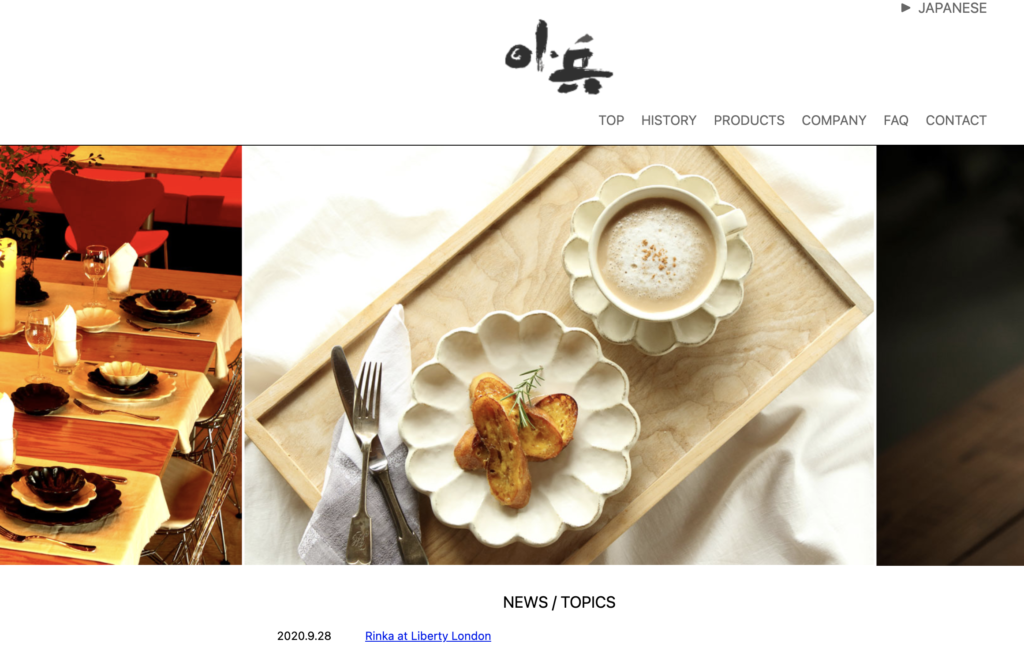
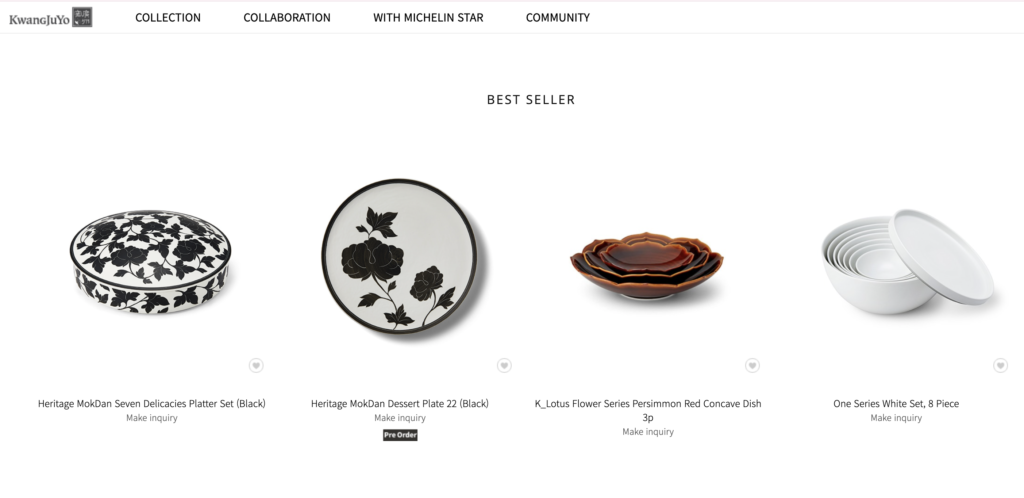
- KwangJuYo (South Korea) – A luxury Korean ceramic brand merging traditional pottery with contemporary dining needs.
- Baekya Ceramics (South Korea) – Specializes in rustic stoneware bowls with strong restaurant adoption.
- Jingdezhen Sanbao (China) – Heritage-driven, producing high-quality tenmoku bowls prized by collectors and restaurants.
- Minh Long Ceramics (Vietnam) – A Vietnamese manufacturer known for high-quality ceramics that integrate traditional glazes with modern dining aesthetics.
These six brands showcase the diversity of Asian craftsmanship, while highlighting how tenmoku glaze remains a unifying feature in tableware design.
Rising Global Demand for Tenmoku-Glazed Bowls
Outside Asia, these bowls are also gaining traction in:
- Fusion restaurants in North America and Europe.
- E-commerce platforms like Amazon, Alibaba, and Wayfair, where keywords such as “tenmoku rice bowls wholesale” and “stoneware Asian dining sets” are trending.
- Hospitality industries including boutique hotels and fine dining, seeking to enhance cultural dining experiences.
FAQ – People Also Ask
Q1: Are tenmoku glaze bowls safe for daily use?
Yes, most are food-safe and dishwasher safe, though handwashing can extend their lifespan.
Q2: Why are stoneware rice bowls preferred in restaurants?
Because they are durable, retain heat, and offer a handcrafted, authentic feel that enhances customer experience.
Q3: Can I order custom tenmoku-glazed bowls with my brand logo?
Yes, many manufacturers offer OEM & ODM services, allowing custom designs, branding, and packaging.
Q4: Are tenmoku-glazed bowls only used for rice?
No. They are versatile for noodles, soups, side dishes, and even Western-style meals.
Q5: What makes tenmoku glaze unique compared to other glazes?
Its deep, cosmic-like finish creates a unique look for each bowl, making every piece slightly different and artisanal.
Final Thoughts
Stoneware rice bowls with tenmoku glaze are more than tableware—they are a fusion of heritage and modern dining needs. Their durability, heat retention, and visual artistry make them a favorite across Asian cuisine markets and increasingly popular worldwide.
For global buyers, choosing a reliable supplier ensures access to authentic products with scalable customization.
EKA, based in China, is a trusted OEM & ODM ceramic tableware manufacturer, offering tailored solutions for kitchenware importers, gift distributors, and cross-border e-commerce sellers. With expertise in both artistry and large-scale production, EKA helps brands bring authentic Asian-inspired products to international markets.