Scandinavian design, known for its minimalist and functional approach, has taken the world by storm, not just in furniture and interior design but also in kitchenware. As global consumers increasingly seek simplicity, elegance, and practicality in their homes, Scandinavian design principles have been incorporated into ceramic kitchenware, offering timeless, stylish, and functional solutions for modern kitchens.
In this blog, we will explore the growing popularity of Scandinavian design in ceramic kitchenware, focusing on its core elements, trends, and the influence on the global market. We’ll also compare Scandinavian designs to other popular styles, examining why they resonate so well with consumers and how this trend is impacting the ceramics industry.
What is Scandinavian Design?
Scandinavian design, originating in the Nordic countries—Sweden, Denmark, Norway, Finland, and Iceland—emphasizes simplicity, clean lines, natural materials, and a connection to nature. This design philosophy values function and form equally, with a focus on creating pieces that are both aesthetically pleasing and practical.
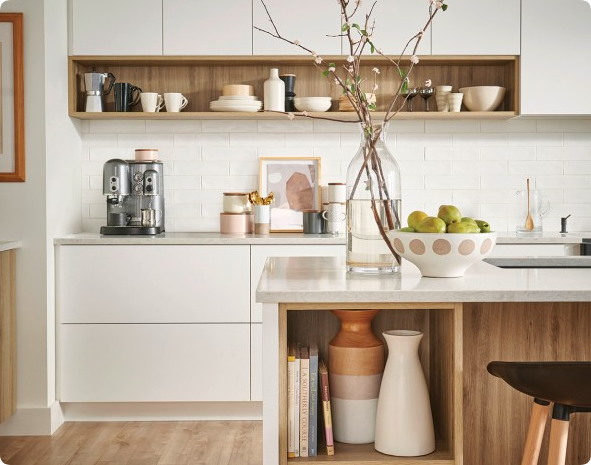
When applied to ceramic kitchenware, Scandinavian design typically features:
- Minimalist Aesthetic: Simple shapes, soft curves, and unadorned surfaces.
- Neutral Color Palettes: Whites, greys, earthy tones, and pastels that evoke calmness and cleanliness.
- Natural Materials: Wood, ceramic, and stoneware that evoke a sense of nature and sustainability.
- Functional Design: Pieces that are easy to use, clean, and store, without unnecessary ornamentation.
The Appeal of Scandinavian Ceramic Kitchenware
The increasing demand for Scandinavian design in kitchenware can be attributed to several factors, which resonate strongly with both consumers and B2B purchasers, such as home goods retailers and e-commerce sellers. Let’s delve into some of these key appeals:
- Timeless Aesthetic: Scandinavian designs are not tied to fleeting trends. Their clean lines and neutral tones make them versatile and timeless, ensuring that ceramic pieces can complement any kitchen decor.
- Focus on Functionality: Unlike some design styles that prioritize aesthetics over utility, Scandinavian kitchenware is designed with practicality in mind. Ergonomic handles, stackable pieces, and durable materials make Scandinavian ceramics ideal for everyday use.
- Sustainability: In an era where environmental concerns are at the forefront, Scandinavian design often emphasizes sustainable materials and production processes. Many ceramics are made from natural, eco-friendly materials like clay and are produced with minimal waste.
- Global Trend Influence: With the rise of minimalist interior designs worldwide, Scandinavian kitchenware has seamlessly integrated into many cultures. Consumers are drawn to the simplicity and elegance that fit well with modern lifestyles.
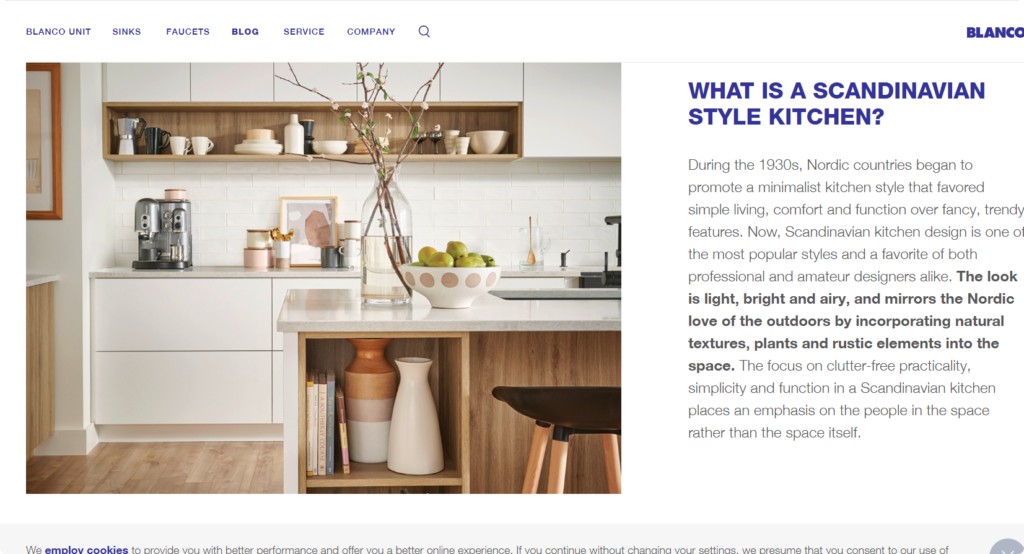
How to Design a Scandinavian Kitchen
Comparing Scandinavian Ceramic Kitchenware to Other Popular Design Styles
To understand why Scandinavian ceramics are so popular, let’s compare them to other prominent design trends, such as Mid-Century Modern and Industrial designs. Below is a comparison table to highlight the differences and help you assess which style suits your business or personal preferences.
| Design Style | Key Features | Aesthetic Appeal | Functionality | Materials | Best Suited For |
|---|---|---|---|---|---|
| Scandinavian | Minimalism, neutral colors, clean lines, natural elements | Simple elegance, calm, and versatile | Highly functional, ergonomic, easy to store/clean | Ceramic, wood, stoneware, glass, natural fibers | Modern kitchens, eco-conscious consumers, versatile decor |
| Mid-Century Modern | Bold colors, geometric shapes, organic forms | Retro, nostalgic, bold | Functional but often more decorative than practical | Wood, metal, plastic, glass | Vintage enthusiasts, retro-themed spaces |
| Industrial | Raw materials, exposed structures, utilitarian design | Urban, edgy, rugged | Highly functional, often industrial-looking | Metal, concrete, reclaimed wood, ceramic | Loft-style apartments, urban homes, rustic settings |
As we can see, Scandinavian design stands out for its blend of simplicity and functionality, making it a popular choice for modern ceramic kitchenware.
Trends in Scandinavian Ceramic Kitchenware
The rise in Scandinavian ceramic kitchenware trends is also influenced by changing consumer preferences. As people are increasingly spending more time in their kitchens, they seek designs that not only serve a functional purpose but also enhance their culinary experience. Here are some of the key trends shaping the future of Scandinavian ceramic kitchenware:


- Handcrafted Ceramics: There is a growing demand for artisanal, handcrafted ceramic kitchenware that offers unique designs, textures, and qualities. Consumers are moving away from mass-produced items and are drawn to the authenticity and craftsmanship of handmade ceramics.
- Sustainability and Eco-Friendly Materials: Eco-conscious consumers are seeking out ceramics made from sustainable materials, such as locally sourced clay or recycled materials. Scandinavian manufacturers are increasingly adopting eco-friendly practices to meet these demands.
- Multi-Functional Pieces: Scandinavian designs often prioritize multi-functionality. Items like stackable dinnerware sets or ceramic serving bowls that double as storage containers are gaining popularity as space-saving solutions in modern homes.
- Bright Accents and Minimalist Patterns: While Scandinavian design traditionally emphasizes neutral tones, there is a growing trend toward adding subtle pops of color or minimalist patterns to ceramic pieces. This trend helps bring vibrancy to kitchens without overwhelming the senses.
- Textured Finishes: Scandinavian ceramics are also embracing textures, with subtle tactile finishes such as matte or ribbed surfaces that add depth and interest to the design without compromising its clean lines.
The Influence of Scandinavian Design on the Global Ceramic Market
As Scandinavian design continues to dominate the global ceramic market, manufacturers worldwide are recognizing the need to incorporate these elements into their product lines. For businesses in the ceramic industry, especially those in manufacturing and distribution like EKA, adopting Scandinavian design principles can be a strategic move.
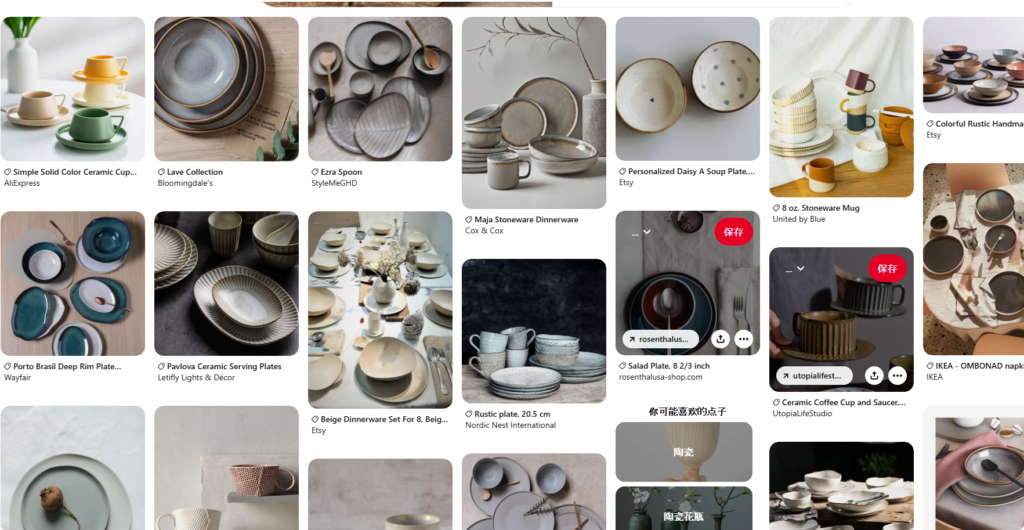
Trends in Scandinavian Ceramic Kitchenware in Pinterest
For B2B buyers, understanding the growing demand for Scandinavian-style ceramic kitchenware is crucial when sourcing products. They should look for suppliers that not only offer stylish, functional pieces but also prioritize quality, durability, and sustainable production methods.
EKA, as a ceramic manufacturer, offers a variety of customizable, high-quality ceramic kitchenware products suitable for businesses targeting the growing Scandinavian design trend. With the ability to produce both OEM and ODM orders, EKA can work with international clients to create exclusive product lines that align with the minimalist and functional aesthetic of Scandinavian design.
Conclusion
The growing popularity of Scandinavian design in ceramic kitchenware is a testament to the timeless appeal of simplicity, functionality, and sustainability. As this design style continues to shape consumer preferences worldwide, businesses in the ceramics industry must recognize its influence and adapt their product offerings accordingly. For global kitchenware suppliers, like EKA, this is an exciting opportunity to meet the demand for high-quality, stylish, and eco-friendly ceramic products that resonate with modern consumers.
By embracing Scandinavian principles of design, manufacturers and suppliers can create products that not only enhance the beauty and functionality of the kitchen but also contribute to a more sustainable and harmonious way of living. As consumers increasingly gravitate toward simplicity and sustainability, the future of Scandinavian ceramic kitchenware looks bright, offering endless possibilities for innovation and growth.