Walk into a busy café and look around for a moment.
You will probably notice the coffee first. Then the furniture, the lighting, the menu board, and maybe the packaging. But there is another detail that customers interact with every single day: the coffee cup.
For café chains, a cup is not simply something that holds a latte or cappuccino. It can become part of the brand experience.
A carefully designed cup can make a café feel more premium, more handmade, more relaxed, or more contemporary. And in recent years, speckled glaze coffee cups have become an especially interesting choice for café brands looking for a balance between modern design and handcrafted character.
The appeal is easy to understand. A speckled surface feels less industrial than a perfectly uniform glaze, but it can still be produced consistently enough for commercial café use. The small dots, mineral-like marks, tonal variations, and organic surface effects create visual depth without requiring an overly complicated shape.
For café chains, that combination matters.
The cup needs to look distinctive enough to support branding, but practical enough to survive hundreds of washing cycles, daily handling, stacking, transportation, and the fast pace of a professional café.
So, how exactly can speckled glaze coffee cups enhance branding in café chains?
Let’s take a closer look.
Why Coffee Cups Matter More to Café Branding Than You Think
When people think about café branding, they often think about logos, colors, packaging, signage, and interior design.
But branding is also built through small physical details.
A customer may spend only 30 to 60 minutes in a café, but during that time they repeatedly see and touch the cup. The cup sits next to their laptop, appears in photos, travels across the table, and may even appear in their social media posts.
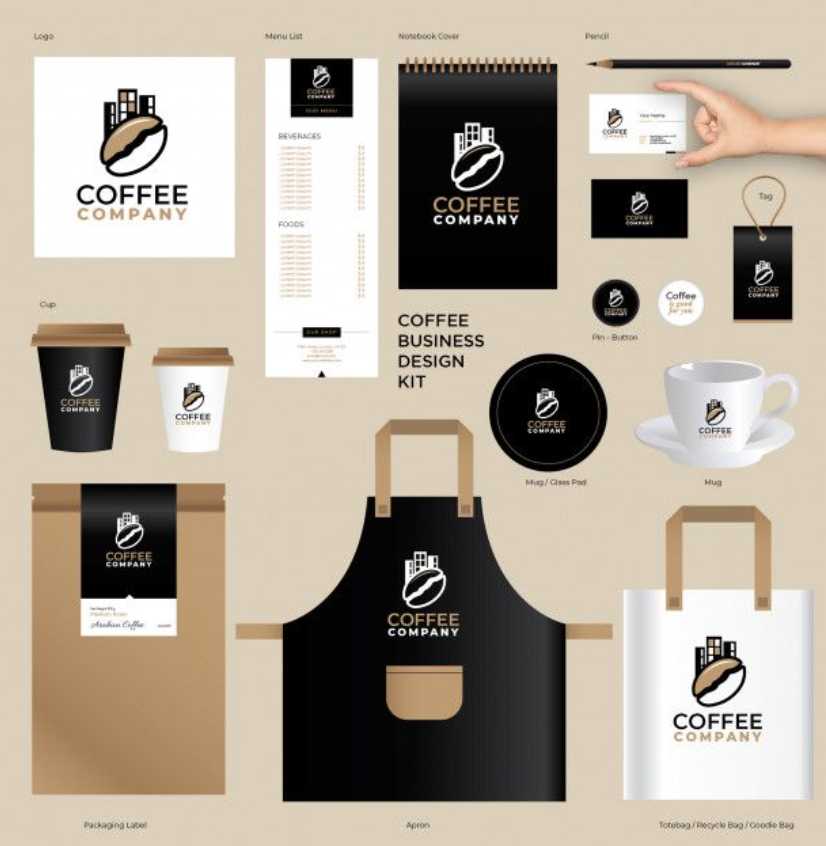
That makes tableware a surprisingly powerful branding tool.
A plain white cup can certainly look clean and professional. But it is also visually familiar. Thousands of cafés use similar shapes and colors.
A distinctive custom ceramic coffee cup gives the brand another opportunity to stand apart.
Speckled glaze is particularly useful because it adds character without making the cup look overly promotional.
Instead of placing a huge logo on the front, a café can build recognition through:
- A recognizable glaze color
- A consistent speckle pattern
- A distinctive cup shape
- A signature rim treatment
- A custom handle
- A subtle logo mark
- A matching saucer
- A coordinated collection across espresso, cappuccino, latte, and takeaway service
This creates a more sophisticated form of branding.
The customer may not consciously think, “This cup has a proprietary speckled glaze.”
They simply feel that the café has a certain look.
And that feeling is exactly what strong branding is supposed to create.
What Is Speckled Glaze on a Coffee Cup?
Speckled glaze is a ceramic surface treatment in which small visible spots or flecks appear across the glazed surface.
Depending on the ceramic body, glaze formula, firing atmosphere, and production method, these speckles can range from subtle gray or brown dots to stronger mineral-like patterns.
Some designs look almost like natural stone.
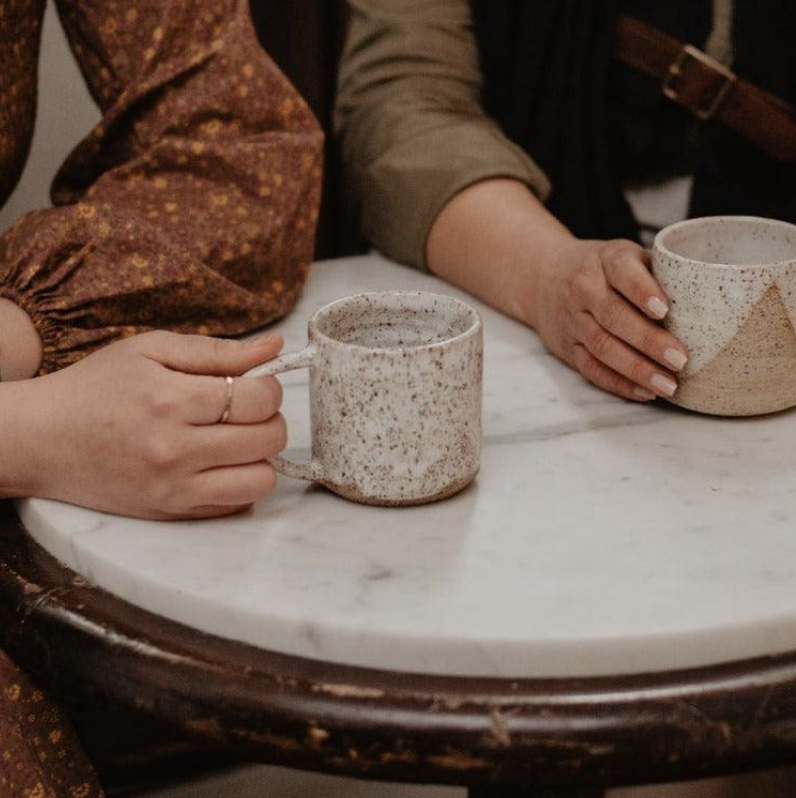
Others have a warm, handmade pottery appearance.
Some are deliberately irregular, while others are engineered to maintain a relatively consistent visual distribution from cup to cup.
This gives café buyers a wide design spectrum.
For example, a brand targeting a minimalist urban audience might prefer an off-white porcelain cup with tiny charcoal speckles. A rustic brunch café may prefer a warm beige body with darker brown speckles. A specialty coffee chain could use a deep green, blue, or charcoal glaze with contrasting natural flecks.
This is where custom speckled coffee cups become interesting for branding.
The glaze itself can become part of the brand language.
Why Speckled Glaze Works So Well for Café Chains
There are several reasons speckled glaze has strong branding potential.
1. It Creates a Handmade Feeling
Today’s café customers are surrounded by mass-produced products.
A perfectly smooth surface can sometimes feel generic.
Speckled glaze introduces subtle variation, making the cup feel closer to something crafted by hand.
That doesn’t mean the product has to be handmade one by one.
Modern ceramic production can combine controlled manufacturing with visual characteristics inspired by traditional pottery.
For café chains, this gives them something valuable: a commercial product with an artisanal appearance.
That is especially useful for specialty coffee brands, independent café groups, brunch concepts, bakery cafés, and lifestyle-oriented chains.
2. Speckles Add Visual Texture Without Complicated Decoration
Branding doesn’t always require complicated printing.
In fact, too much decoration can make tableware look dated very quickly.
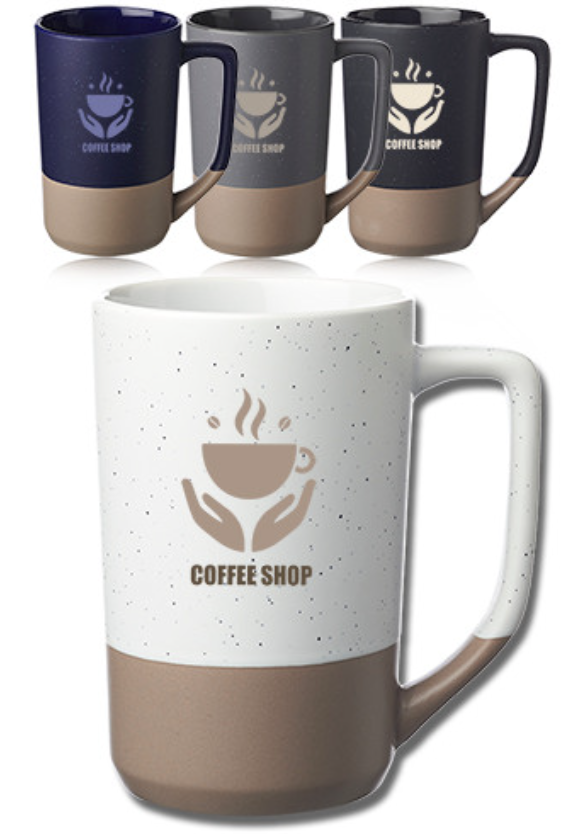
Speckled glaze offers a quieter alternative.
A cup can have:
- A simple silhouette
- One main glaze color
- A controlled speckle effect
- A discreet logo
- A clean saucer
The result can look premium without appearing overly designed.
This makes speckled ceramic mugs particularly suitable for café brands that want a contemporary but approachable identity.
3. Every Cup Has Slightly Different Character
One of the biggest advantages of a well-developed speckled glaze is its natural-looking variation.
The important word here is controlled.
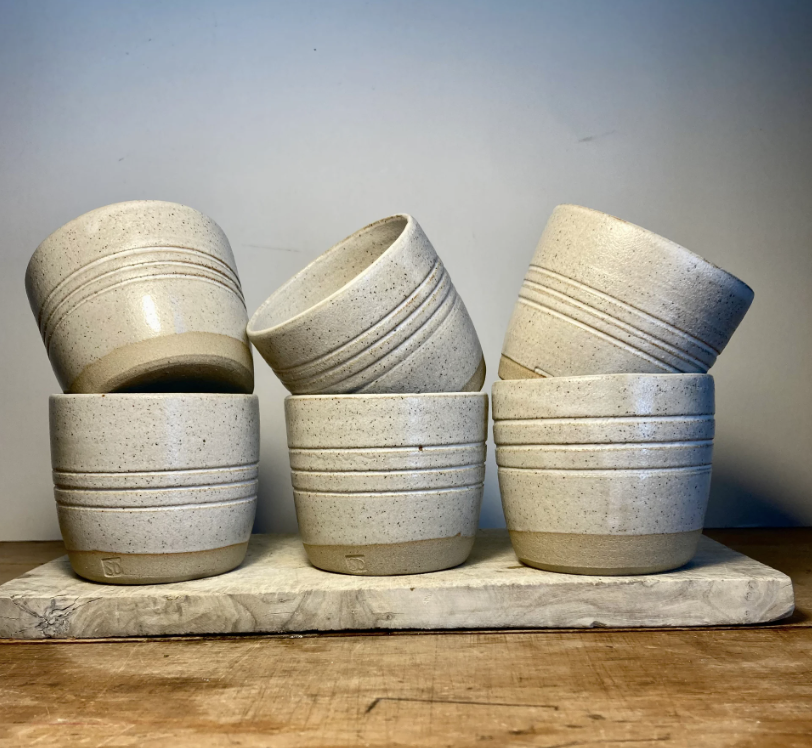
Café chains don’t want every cup to look completely different. If the variation is too extreme, the collection may look inconsistent.
But if every cup is perfectly identical, the design can lose some of its handcrafted personality.
A good ceramic manufacturer works toward a controlled range.
The speckles may vary slightly in size, density, or positioning while remaining within an agreed visual standard.
That balance is particularly important when ordering speckled glaze coffee cups wholesale for multiple café locations.
How Speckled Coffee Cups Can Strengthen a Café’s Visual Identity
A successful café chain usually has a recognizable visual system.
Maybe the brand uses warm neutrals.
Maybe it prefers Scandinavian-inspired interiors.
Maybe it uses earthy green tones, natural wood, brushed metal, and handmade ceramics.
The coffee cup should fit naturally into that system.


Glaze Color Can Become a Brand Signature
Imagine a café chain using a warm ivory cup with dark brown speckles across every location.
Now imagine another chain using a muted sage-green speckled glaze.
Even without a logo, customers can begin associating those colors and textures with the brand.
This is particularly effective when the cup is photographed.
The glaze can become a recurring visual element across:
- Instagram posts
- Menu photography
- Influencer content
- Café interiors
- Product photography
- Seasonal campaigns
- Website images
- Customer-generated content
The cup becomes part of the brand’s visual vocabulary.
Speckled Glaze vs. Plain Glaze: Which Is Better for Branding?
Neither is universally better.
The right choice depends on the brand positioning.
A plain glaze is often the safer option when a company wants a highly standardized, clean, corporate appearance.



Speckled glaze is more useful when the brand wants warmth, individuality, craft, or a premium handmade feeling.
| Branding & Purchasing Factor | Plain Glaze Coffee Cups | Speckled Glaze Coffee Cups |
|---|---|---|
| Visual impression | Clean, simple, standardized | Organic, handcrafted, textured |
| Brand personality | Modern, minimalist, formal | Warm, artisanal, contemporary |
| Visual differentiation | Relatively low | Higher |
| Product photography | Clean and predictable | More textured and visually interesting |
| Perceived craftsmanship | Moderate | Stronger |
| Suitable café styles | Corporate cafés, minimalist chains, classic concepts | Specialty coffee, brunch, lifestyle, artisan cafés |
| Variation between pieces | Usually very low | Can be intentionally controlled |
| Customization potential | Shape, color, logo, finish | Shape, color, speckle density, speckle tone, logo, finish |
| Social-media appeal | Depends heavily on shape and styling | Naturally adds texture and visual interest |
| OEM/ODM potential | High | High, but glaze testing is especially important |
The important point for professional buyers is that speckled glaze should not be selected simply because it is trendy.
It should be selected because it supports the brand story.
5 Well-Known Tableware Brands Worth Studying for Café Cup Design
Before developing a custom coffee cup collection, procurement teams can learn a lot by studying how established tableware brands combine shape, glaze, function, and visual identity.
Here are five relevant global brands worth looking at for inspiration.
1. Loveramics
Loveramics is particularly relevant to café buyers because its product range focuses heavily on coffee and hospitality tableware.
Its collections show how a coffee cup can combine commercial functionality with strong visual design.
For example, the Egg Potters Colors range uses reactive glaze effects and thicker cup walls designed for busy café environments. Loveramics also offers multiple coffee formats, including espresso, flat white, cappuccino, and latte sizes.
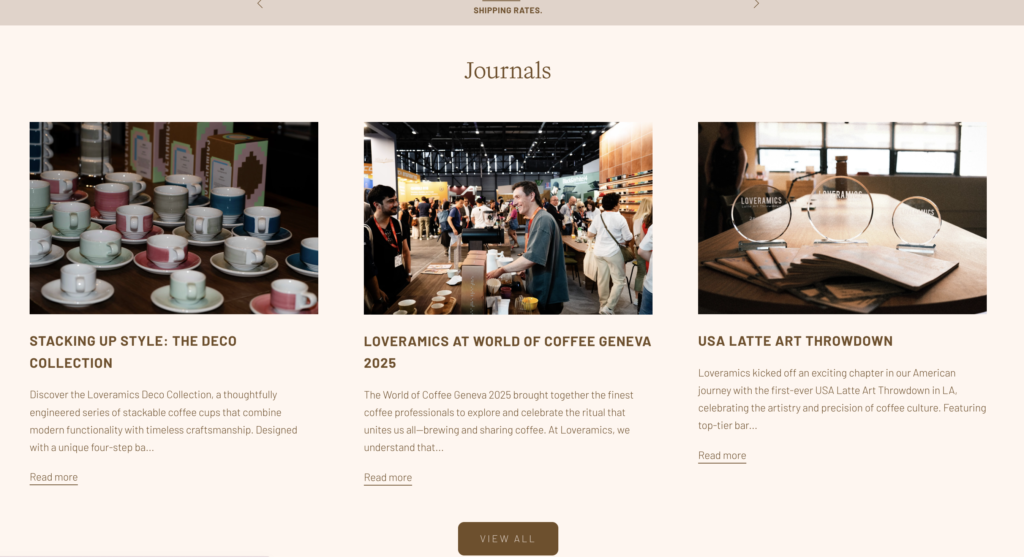
Another interesting lesson is that surface treatment can become a major part of the product’s identity.
Its Brewers range includes artisanal glaze effects where the patterns naturally differ between pieces, creating a more individual appearance.
For a café chain, the takeaway is simple:
Don’t think only about the logo. Think about the entire cup as a brand asset.
2. KINTO
KINTO is a strong example of how subtle ceramic details can create a recognizable lifestyle aesthetic.
Its SLOW COFFEE STYLE collection focuses on organic forms, calm colors, warm textures, and a slower coffee ritual. The SCS mug range also uses slight variations in glaze shades to create richer surface texture.
The SCS-S03 collection goes even further, using traces of wheel work and layered glazes to create individual expressions on each mug.
KINTO’s approach is useful for café brands that don’t want loud decoration.
The lesson is that texture, shape, color, and material can communicate a brand without depending on oversized graphics.
3. Hasami Porcelain
Hasami Porcelain takes a different approach.
Its design language is based on simple geometric forms, restrained colors, and material texture. The brand’s Original collection combines semi-porcelain with a minimalist design vocabulary, while its Grey Collection explores the relationship between matte surfaces and glaze.
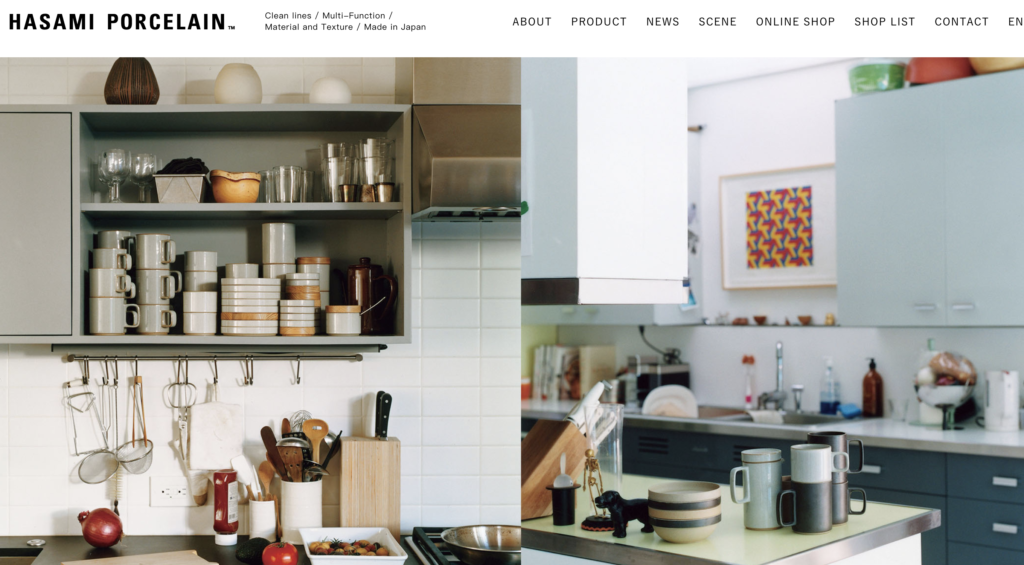
This is a useful reference for café chains interested in understated branding.
Instead of asking, “How can we make the cup more decorative?”, designers can ask:
“How can we make the cup more recognizable through proportion, texture, and material?”
That mindset can lead to much stronger long-term product design.
4. notNeutral
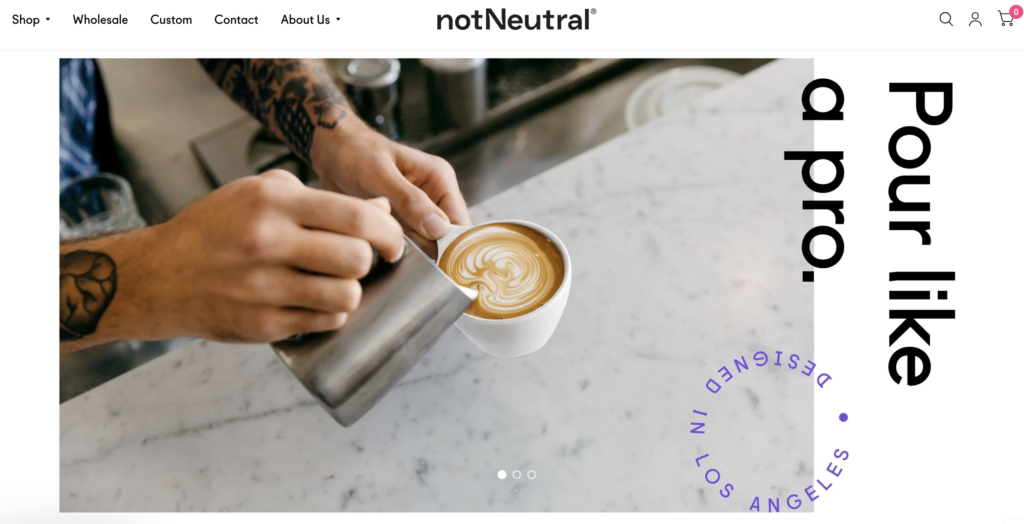
notNeutral demonstrates another important point: professional coffee cups should combine visual identity with functional performance.
Its Lino collection was developed in collaboration with award-winning baristas. The cup’s interior curvature is designed around latte art and thermal insulation, while the handle is designed for comfort and control. The company also offers wholesale purchasing for cafés and restaurants.
This is a useful reminder for café procurement teams.
A cup may look beautiful in a product photo, but café staff use it repeatedly every day.
A successful branded ceramic coffee cup therefore needs to consider:
- Drinking comfort
- Handle design
- Beverage volume
- Heat retention
- Stackability
- Saucer compatibility
- Dishwasher performance
- Overall weight
- Durability
Branding and functionality shouldn’t be separated.
5. Le Creuset
Le Creuset is widely recognized for its strong color identity.
Its stoneware mugs combine recognizable silhouettes with vibrant glazed finishes, while its Heritage Mug range is designed for everyday use and is available in a broad range of colors. The brand emphasizes resistance to chips, scratches, stains, and daily wear.
Although Le Creuset’s design direction is different from the understated look of many specialty coffee brands, there is an important branding lesson here:
Consistent color can become an extremely powerful brand asset.
For a café chain, this could mean developing a proprietary speckled glaze color rather than simply choosing a standard beige or white.
What Makes a Good Speckled Glaze Coffee Cup for a Café Chain?
A visually attractive cup is only the beginning.
For commercial purchasing, the cup has to work in the real world.
The Speckle Density Should Be Controlled
A common mistake is assuming that “more speckles” automatically means “more handmade.”
Not necessarily.
If the speckles are too dense, they can overwhelm the shape.
If they are too sparse, the effect may disappear at a normal viewing distance.
A professional OEM project should define the desired appearance through samples.
Buyers can specify:
- Speckle size
- Speckle density
- Speckle color
- Base glaze color
- Contrast level
- Surface gloss
- Matte or semi-matte finish
- Acceptable variation range
This gives both the buyer and factory a clearer target.
The Glaze Should Work With the Logo
This is an area where branding and manufacturing need to work together.
A dark logo on a dark speckled glaze may become difficult to read.
A white logo on a light glaze may also lack contrast.
Instead of adding the logo at the end, designers should consider the logo placement during the initial cup development stage.
For example, a café might choose:
Warm ivory speckled glaze + dark brown logo
or
Charcoal speckled glaze + cream logo
or
Muted sage speckled glaze + subtle embossed logo
The branding feels much more integrated when the logo and glaze are designed as one system.
Why Cup Shape Still Matters
It is easy to become obsessed with glaze when developing a speckled cup.
But shape is equally important.
A distinctive silhouette can become recognizable from across a café.
Consider whether the brand needs:
Espresso Cups
Usually smaller and designed for concentrated coffee.
Cappuccino Cups
Often wider and visually balanced for milk-based drinks.
Flat White Cups
A slightly smaller profile can create a more specialty-coffee-oriented feel.
Latte Cups
Usually larger, with enough capacity for milk-based beverages.
Handleless Coffee Cups
These can create a more modern, tactile experience, particularly for lifestyle-oriented cafés.
A café chain may even develop an entire family of cups using the same speckled glaze but different sizes.
That is a strong approach because it creates consistency across the menu.
How OEM and ODM Can Turn a Speckled Cup Into a Brand-Specific Product
Buying a ready-made cup is relatively straightforward.
Creating a custom one is more strategic.
For café chains, OEM coffee cup manufacturing in China can provide an opportunity to control the details that customers actually notice.
A custom development project may include:
Step 1: Choose the Basic Cup Profile
Start with a shape that fits the café’s beverage menu.
Avoid making the shape overly complicated just to look different.
A simple, comfortable silhouette often has better long-term commercial value.
Step 2: Develop the Glaze
This is where speckled glaze becomes the core design element.
The factory can test combinations of:
- Ceramic body
- Base glaze
- Speckle material
- Speckle color
- Firing temperature
- Surface finish
- Glaze thickness
Samples should be reviewed under real café lighting rather than only under studio photography.
Step 3: Test the Logo
The brand logo can be applied using different techniques depending on the design.
Options may include:
- Ceramic decal
- Underglaze decoration
- Overglaze decoration
- Embossed or debossed logo
- Screen printing
- Custom molded details
The right method depends on the desired appearance, quantity, budget, and durability requirements.
Step 4: Test Commercial Performance
Before moving into large-scale production, buyers should test the sample through practical use.
Ask:
- Does it stack efficiently?
- Is the handle comfortable?
- Does it retain heat appropriately?
- Is the glaze easy to clean?
- Does coffee staining become noticeable?
- Does the logo remain visually strong after repeated washing?
- Does the cup feel too heavy?
- Does the rim feel comfortable?
- Does the cup fit existing saucers or serving trays?
These questions are much more important than simply asking whether the sample “looks good.”
Speckled Glaze Coffee Cups and Social Media Branding
There is another reason café chains are paying more attention to tableware design.
Customers photograph their drinks.
A latte with beautiful foam art sitting inside a distinctive speckled cup can look much more interesting than the same drink served in an anonymous white mug.
This creates a form of organic marketing.
A customer takes a photo.
The cup appears in the background.
Someone recognizes the café.
Another customer sees the photo and wants to visit.
Over time, the cup becomes part of the recognizable visual atmosphere of the brand.
This is especially valuable for café chains with strong interior design.
The cup can match:
- Wooden tables
- Natural stone
- Linen napkins
- Neutral walls
- Indoor plants
- Warm lighting
- Handmade pastries
- Specialty coffee packaging
When all these details work together, the café feels intentional.
How to Choose the Right Speckled Glaze for Your Café Brand
A practical approach is to start with the brand itself.
For Minimalist Café Brands
Consider:
- Off-white
- Warm ivory
- Light gray
- Fine charcoal speckles
- Low-contrast patterns
The goal is subtle texture.
For Rustic or Artisan Cafés
Consider:
- Sand
- Clay beige
- Warm brown
- Terracotta-inspired colors
- Larger organic speckles
The goal is warmth and craftsmanship.
For Premium Specialty Coffee Chains
Consider:
- Deep green
- Charcoal
- Navy
- Muted blue
- Controlled high-contrast speckles
The goal is a sophisticated, memorable appearance.
For Lifestyle and Brunch Cafés
Consider:
- Sage
- Cream
- Soft pink
- Dusty blue
- Warm beige
The goal is a photogenic, relaxed visual identity.
The important thing is not to chase every ceramic trend.
A café cup should still look appropriate three or five years from now.
What Café Buyers Should Ask a Speckled Coffee Cup Manufacturer
If you’re sourcing custom speckled coffee cups wholesale, don’t only ask for the unit price.
Ask about the entire production process.
A professional supplier should be able to discuss:
- Ceramic body composition
- Glaze formulation
- Firing temperature
- Speckle consistency
- Sample development
- Logo customization
- Color matching
- Food-contact requirements
- Dishwasher testing
- Packaging
- Carton protection
- Production lead time
- Quality control
- OEM/ODM experience
- Minimum order quantity
- Export experience
The more customized the glaze is, the more important sample approval becomes.
For a large café chain, it is also smart to establish an approved reference sample.
That sample becomes the visual benchmark for future production.
This can help reduce unwanted changes in glaze color, speckle density, logo placement, or cup shape between different production batches.
Why Consistency Matters More Than Perfect Uniformity
This sounds contradictory, but it is one of the most important ideas in ceramic sourcing.
A handmade-looking glaze does not need every piece to be identical.
It does need to be consistent within an agreed range.
For example, if one cup has five dark speckles and another has fifteen large spots, the collection may look poorly controlled.
But if one cup has a slightly different distribution of small speckles while the overall color, density, and visual effect remain consistent, that variation can actually strengthen the handcrafted character.
This is why buyers should approve physical samples rather than relying entirely on digital color charts.
Ceramics are affected by:
- Raw materials
- Glaze chemistry
- Firing temperature
- Kiln atmosphere
- Application thickness
- Firing position
- Ceramic body
- Production conditions
An experienced ceramic factory understands that the goal is not simply “make every cup identical.”
The goal is to repeat the intended visual effect reliably at commercial scale.
Is Speckled Glaze Suitable for High-Volume Café Use?
Yes, but the glaze design must be developed for the application.
A café cup is not a decorative vase.
It needs to survive a demanding environment.
For high-volume café operations, buyers should prioritize:
Durability
The cup should be suitable for frequent handling and washing.
Stackability
Efficient stacking helps cafés save counter and storage space.
Practical Capacity
The cup size should match actual drink recipes rather than only looking attractive.
Comfortable Handling
The handle and overall weight matter during busy service.
Easy Cleaning
The glaze should not create unnecessary cleaning problems.
Stable Production
The supplier should be able to reproduce the approved appearance consistently.
This is why the phrase commercial café ceramic cups is important when sourcing.
A beautiful cup designed for home use is not automatically the best choice for a chain with dozens or hundreds of locations.
How Speckled Glaze Can Support a Private Label Coffee Brand
For private-label buyers, speckled glaze can be especially useful.
Instead of simply putting a logo on an existing generic cup, a company can create a more distinctive product.
A private-label coffee cup collection could combine:
Custom shape + proprietary glaze + signature speckles + logo + matching saucer
That combination is much harder for competitors to copy than a printed logo alone.
It can also extend beyond café stores.
The same cup design could be used for:
- Café dine-in service
- Retail merchandise
- Coffee subscription boxes
- Gift sets
- Corporate gifting
- Coffee bean promotions
- Seasonal collections
- Online brand stores
This turns a functional cup into a potential retail product.
A Practical Strategy for Café Chains Planning a Custom Collection
If you’re a purchasing manager, café founder, distributor, or hospitality buyer, you don’t have to develop ten different cup designs at once.
Start with one strong concept.
For example:
Core Collection
- 3 oz espresso cup
- 5 oz cappuccino cup
- 6–8 oz flat white cup
- 10–12 oz latte cup
Use the same:
- Ceramic body
- Speckled glaze family
- Logo treatment
- Rim design
- Handle style
Then introduce new colors later.
This gives the café chain a visual system instead of a random assortment of cups.
It also makes inventory management easier.
FAQ About Speckled Glaze Coffee Cups for Café Chains
Are speckled glaze coffee cups good for café branding?
Yes. Speckled glaze adds visual texture and a handcrafted appearance, making it easier for a café chain to create a distinctive tableware identity. When combined with a custom shape, color, and logo, the cup can become a recognizable part of the brand experience.
Can I order custom speckled coffee cups with my logo?
Yes. Many ceramic manufacturers offer OEM and ODM customization, including custom glaze colors, speckle effects, shapes, handles, logos, and saucers.
For larger projects, it is recommended to approve a physical sample before mass production.
Can speckled glaze be customized?
Yes. Depending on the ceramic factory’s capabilities, buyers can usually work on the base glaze color, speckle size, density, contrast, finish, and overall visual effect.
The exact customization range should be confirmed during sample development.
Are speckled ceramic cups suitable for specialty coffee shops?
Absolutely. Their natural surface texture works particularly well with specialty coffee, artisan bakery cafés, brunch restaurants, and lifestyle-focused coffee shops.
The key is to combine the glaze with an appropriate cup shape and beverage capacity.
What should I look for when buying speckled glaze coffee cups wholesale?
Look beyond price.
Consider glaze consistency, ceramic body, durability, cup weight, stackability, logo application, food-contact compliance, dishwasher performance, packaging, production capacity, MOQ, and the manufacturer’s ability to reproduce the approved sample.
Can a manufacturer produce different cup sizes with the same speckled glaze?
Yes. This is actually one of the best ways to create a cohesive café tableware collection.
A brand can use the same glaze system across espresso, cappuccino, flat white, latte, and larger coffee mugs while changing the shape or capacity.
Is speckled glaze better than plain white glaze?
Not necessarily.
Plain white glaze is ideal for brands that want a clean and highly standardized look. Speckled glaze is more suitable for brands that want a warmer, more handcrafted, organic, or visually distinctive identity.
The best choice depends on the café’s positioning.
Can I develop an exclusive speckled glaze color for my café chain?
Yes, depending on the manufacturer’s development capabilities and order volume.
For a truly distinctive brand identity, an exclusive glaze color combined with a controlled speckle pattern can be more effective than simply selecting a standard catalog color.
What is the advantage of using an OEM coffee cup manufacturer in China?
A capable China-based OEM manufacturer can integrate multiple customization steps in one project, including ceramic body selection, cup molding, glaze development, logo decoration, packaging, quality control, and export production.
For café chains, this can make it easier to develop a product specifically around the brand rather than adapting an off-the-shelf cup.
Final Thoughts: The Cup Can Become Part of the Brand
A café’s brand is built from hundreds of small details.
The smell of coffee.
The music.
The lighting.
The furniture.
The packaging.
The menu.
And yes, the cup.
Speckled glaze coffee cups are interesting because they offer something that many standard commercial cups don’t: a surface that feels personal without being impractical.
For café chains, the strongest strategy is not to treat speckles as decoration alone.
Think about the whole system.
The right ceramic body.
The right cup shape.
The right capacity.
The right glaze color.
The right speckle density.
The right logo placement.
The right level of variation.
And, most importantly, the right production partner.
When these elements are developed together, custom speckled coffee cups can do much more than serve coffee. They can reinforce the atmosphere of a café, strengthen visual recognition, encourage customer photography, and create a consistent experience across multiple locations.
For brands looking for private label coffee cups, wholesale porcelain coffee cups, custom logo coffee mugs, or OEM/ODM ceramic coffee cup manufacturing in China, EKA provides OEM & ODM production support for global kitchenware, homeware, café, gift, and lifestyle brands.
The goal isn’t simply to manufacture another coffee cup.
It is to help brands create tableware that customers remember.